
Study reveals how a tuberculosis molecule triggers cough
UT Southwestern-led research identifies bacterial molecule that spurs chronic cough, provides target for drugs
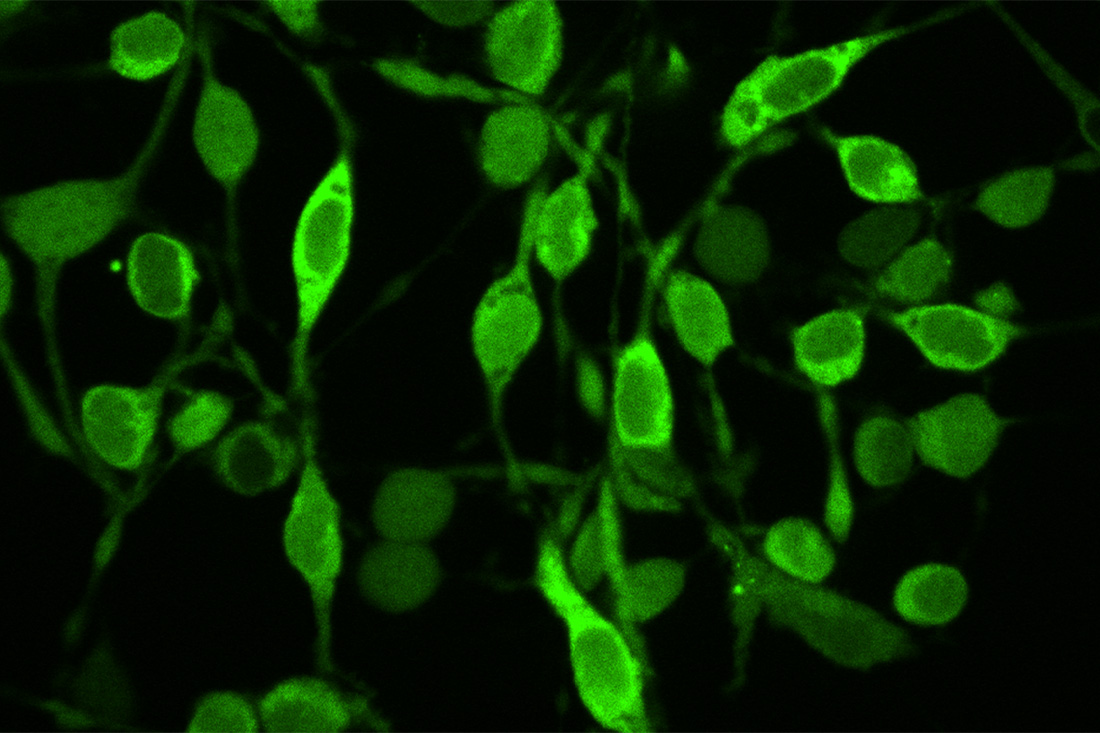
DALLAS – Nov. 24, 2026 – A molecule produced by some highly transmissible strains of tuberculosis (TB) bacteria activates sensory nerves and triggers coughing, according to a study led by UT Southwestern Medical Center researchers. The findings, published in Nature Microbiology, uncover a signaling pathway that could be targeted with drugs developed for chronic cough, offering a possible approach to relieving TB-associated cough and reducing transmission.
“Tuberculosis can be deadly and can cause lasting damage to the lungs and other organs, even after successful treatment,” said corresponding author Michael Shiloh, M.D., Ph.D., Professor of Internal Medicine in the Division of Infectious Diseases and Geographic Medicine and Microbiology at UT Southwestern. “If we understand how to intervene in TB transmission, it could have a substantial impact on the number of new cases.”
A persistent cough is a hallmark of pulmonary TB and an important driver of transmission. When people with pulmonary TB cough, they release bacteria into the air that can be inhaled by others. TB is the world’s leading cause of death from a single infectious agent. The existing Bacille Calmette-Guérin (BCG) vaccine protects young children against severe forms of TB but provides inconsistent protection against pulmonary TB in adolescents and adults.
Dr. Shiloh and his collaborators previously identified a molecule called sulfolipid-1, produced by TB bacteria, that activates sensory nerves and triggers cough. In the new study, the team identified a second, more potent activator of sensory nerves called phenolic glycolipid (PGL), a molecule produced by certain TB strains, including HN878, which is associated with high virulence and transmissibility.
To explore PGL’s effects on the nervous system, the team tested the molecule on sensory nerve cells isolated from mice and human donors. PGL activated cells from both species. PGL also changed the electrical state of human nerve cells, making them more responsive to stimulation.
“Every breath can bring irritants into the airways. By making sensory nerves more excitable, PGL could make otherwise harmless exposures more likely to provoke a cough,” Dr. Shiloh explained.
Exposing nerve cells to PGL and sulfolipid-1 together produced greater activation than either molecule alone. The researchers also showed that exposure to aerosolized PGL was sufficient to trigger coughing in preclinical models.
The team found evidence that PGL stimulates the release of ATP, a molecule that is best known for supplying energy within cells but that also can act as an external signal to influence cell responses. ATP activates proteins called P2X3 receptors on sensory nerves, helping initiate signals involved with coughing. When researchers treated nerve cells with gefapixant, a drug that blocks these receptors, the response to PGL was significantly reduced. Gefapixant is approved for use in the European Union in adults with refractory or unexplained chronic cough.
“Our finding that gefapixant reduces the neuronal response to PGL provides a rationale for testing drugs like it against TB-associated cough,” Dr. Shiloh said. “If effective during infection, such treatment could potentially relieve symptoms and reduce infectious spread when used alongside antibiotics.”
The study was led by first author Kubra F. Naqvi, Ph.D., a postdoctoral researcher in Dr. Shiloh’s laboratory. Other contributors from the Shiloh Lab are Lois L. Warden, B.S., a graduate student in the Perot Family Scholars Medical Scientist Training Program; Giaochau Nguyen, B.S., a graduate student; Kathryn C. Rahlwes, Ph.D., a former postdoctoral researcher, and Christopher P. Xavier, B.S., a former research assistant. Additional UTSW contributors include Jeffrey McDonald, Ph.D., Professor in the Center for Human Nutrition and Molecular Genetics; and Daniel Smith, B.A.Sc., a research analytical chemist.
This research was funded by grants from the National Institutes of Health (T32 AI007520, T32HL098040, R01 AI158688, P01 AI159402, 1P30DK127984-01A1, P01 HL160487, and U19NS130608), the Burroughs Wellcome Fund (1017894), The Welch Foundation (I-1964-20240404), and the Nederlandse Organisatie voor Wetenschappelijk Onderzoek.
Dr. Shiloh holds the James P. Luby, M.D. Professorship in Infectious Diseases.
About UT Southwestern Medical Center
UT Southwestern, one of the nation’s premier academic medical centers, integrates pioneering biomedical research with exceptional clinical care and education. The institution’s faculty members have received six Nobel Prizes and include 28 members of the National Academy of Sciences, 26 members of the National Academy of Medicine, and 14 Howard Hughes Medical Institute Investigators. The full-time faculty of nearly 3,400 is responsible for groundbreaking medical advances and is committed to translating science-driven research quickly to new clinical treatments. UT Southwestern physicians in more than 80 specialties care for more than 143,000 hospitalized patients, attend to more than 470,000 emergency room cases, and oversee nearly 5.3 million outpatient visits a year.