
Which doctor and clinic a patient chooses is key to cancer clinical trial enrollment
UTSW-led analysis finds nearly 1 in 4 physicians accounted for more than 80% of patients signed up for clinical trials
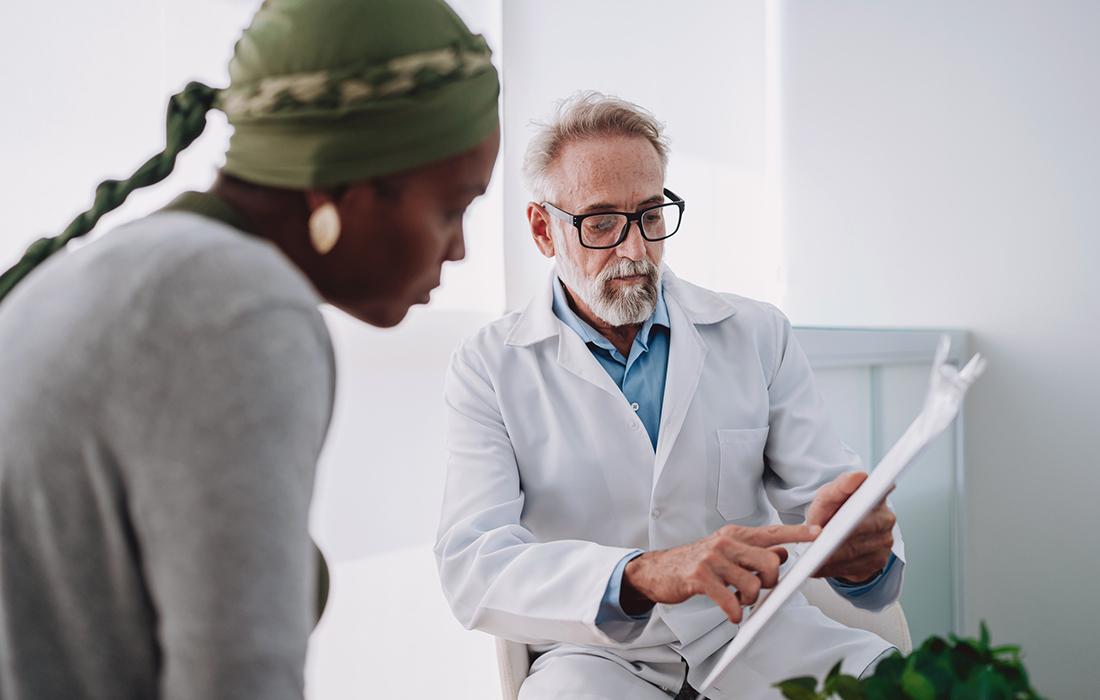
DALLAS – Nov. 10, 2026 – Physician and oncology practice factors have greater influence over who gets enrolled in advanced cancer clinical trials than measured patient characteristics such as age, cancer type, and physical function, according to a study led by UT Southwestern Medical Center researchers. The findings, published in JAMA Network Open, point to practical ways to broaden access to promising new treatments.
“Oncologists across the country have long sensed that a patient’s chance of joining a clinical trial depends on which doctor and which clinic they see, and now we have data from more than 200,000 patients to show it. That is good news. Unlike a patient’s age or cancer type, a doctor’s trial habits and a clinic’s research support are things a health system can change,” said lead author Changchuan “Charles” Jiang, M.D., M.P.H., Assistant Professor of Internal Medicine in the Division of Hematology and Oncology and of Health Economics, Systems and Policy in the Peter O’Donnell Jr. School of Public Health at UT Southwestern. He is also a member of the Population Science and Cancer Control Research Program in the Harold C. Simmons Comprehensive Cancer Center.
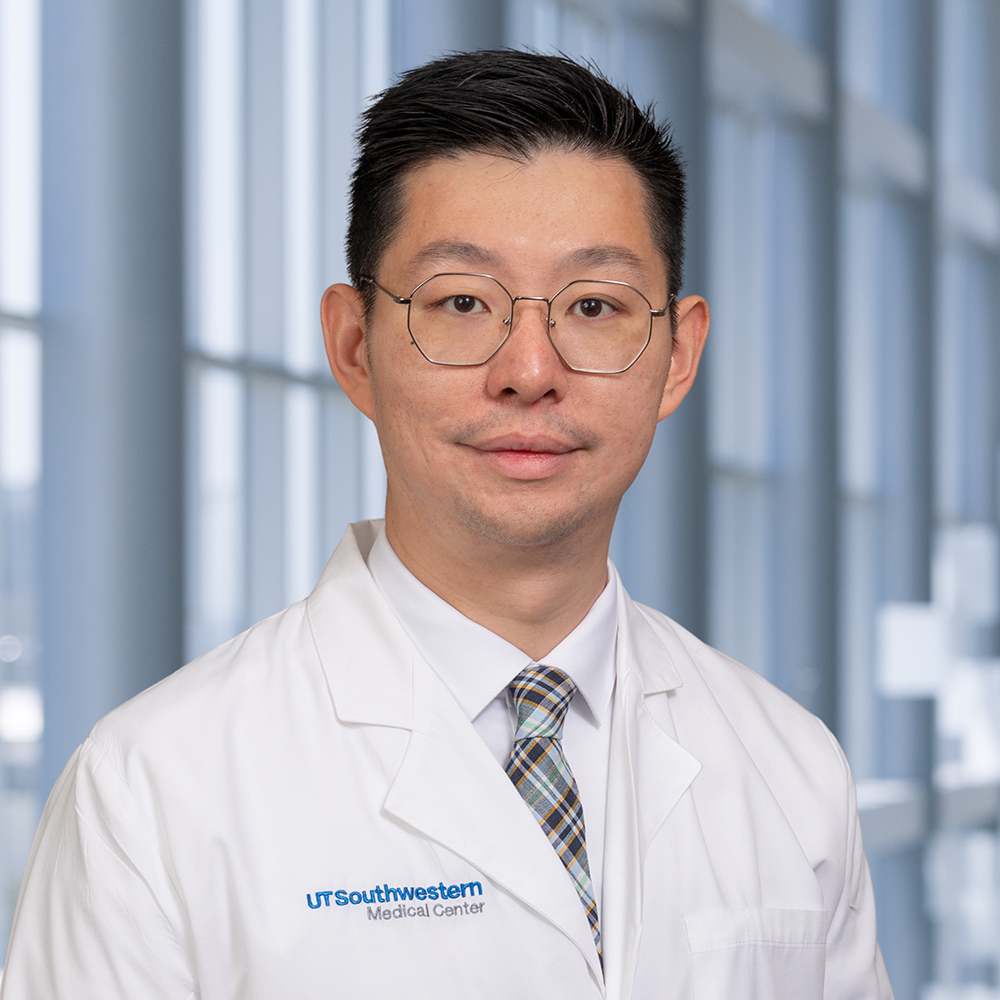
Dr. Jiang’s research focuses on access to cancer clinical trials. He leads an American Cancer Society-funded program to expand prostate cancer trial access at Parkland Memorial Hospital, Dallas County’s safety-net hospital, and community sites; directs genitourinary clinical trial optimization for the safety-net program at Parkland Health; and co-chairs the Health Disparities Committee of the Multinational Association of Supportive Care in Cancer (MASCC).
In the study, researchers analyzed de-identified electronic health records from the Flatiron Health research database on adults treated for a broad range of advanced or metastatic solid tumors. The data came from 1,664 physicians at 107 oncology practices across the U.S., most of which were in community settings, not National Cancer Institute-Designated Cancer Centers. Clinical trial participation was defined as receiving an investigational drug.
Although participation increased during the study period, just over 5% of patients were enrolled in a clinical trial. The study found that 389 of 1,664 physicians (23%) accounted for 84% of all enrollments, and 21 of 107 practices (20%) accounted for 81%, while nearly a third of physicians enrolled no patients.
The UTSW-led team determined that characteristics of who treated a patient and where care was delivered explained more variation in participation than differences among patients. Patients had higher odds of participating when their physicians specialized in fewer types of cancer, had recently enrolled other patients, or worked at research-active practices. Patients whose physicians focused on one or two cancer types had about four times the odds of joining a trial.
The study also found disparities. Black patients were 26% less likely to participate than white patients. At practices serving the largest share of patients from low-income areas, the odds of participation were less than half of those at other practices.
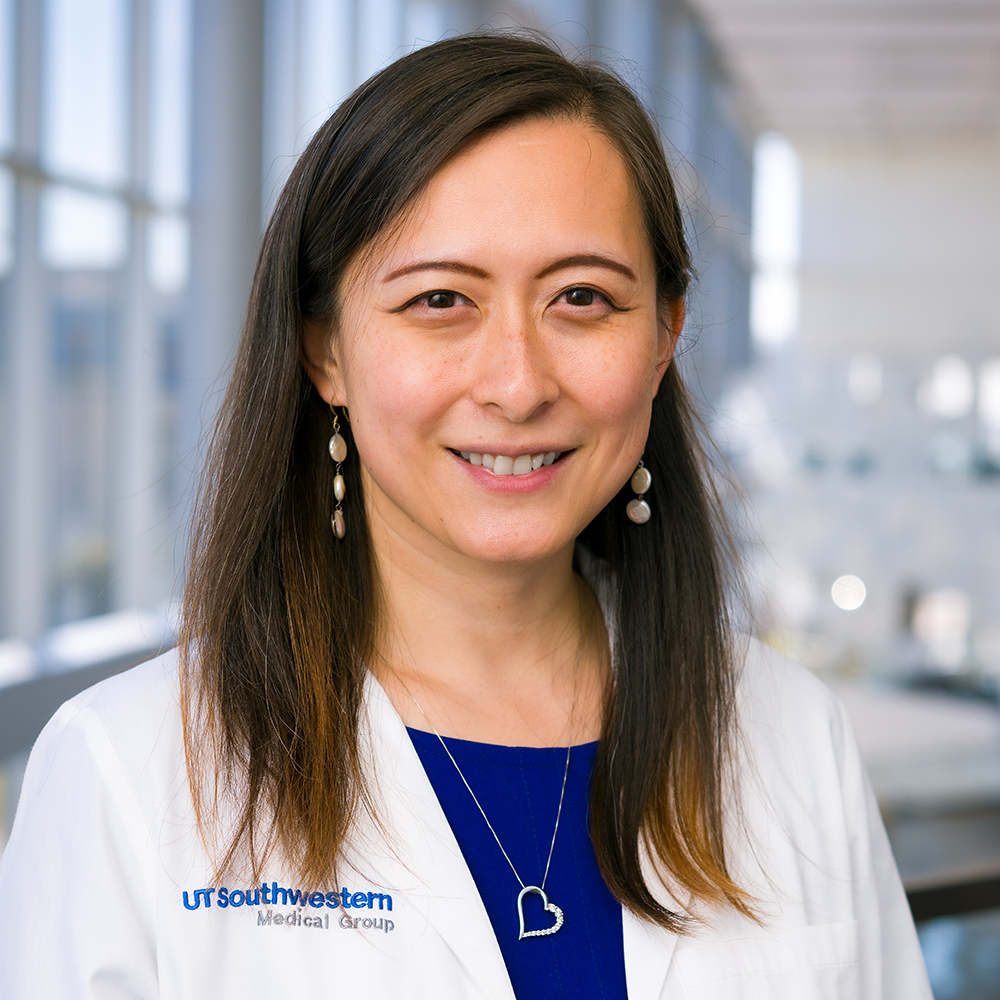
“For many patients with advanced cancer, a trial is a way for patients to access promising new treatment. Our results suggest the chance of being offered one depends on where the patient is treated,” said study leader Tian Zhang, M.D., M.H.S., FASCO, Professor of Internal Medicine in the Division of Hematology and Oncology at UT Southwestern and Associate Director of Clinical Research in the Simmons Cancer Center.
Researchers in the study identified potential solutions. Health systems could pair physicians new to trial enrollment with experienced mentors, assign each clinic a dedicated research contact, provide staff support for trial-related testing, and use tools to match patients with appropriate trials. Funders and trial sponsors could help build research capacity in clinics serving low-income communities and design simpler trials that smaller sites can run. “We have seen this work in our own safety-net clinics, where patient navigation and physician engagement doubled enrollment of underrepresented patients,” Dr. Jiang said.
The authors noted that the database lacked information on whether individual patients were eligible for specific trials at a given time. Participation may also have been underestimated because the analysis counted patients only when they received a clinical study drug.
Other UTSW researchers who contributed to this study are Joshua Liao, M.D., M.Sc., Professor of Internal Medicine in the Division of General Internal Medicine, Professor of Health Economics, Systems and Policy, and Director of the Program on Policy Evaluation and Learning; Chuan Angel Lu, M.D., M.P.H., research fellow in Internal Medicine; and Song Zhang, Ph.D., Professor of Epidemiology in the O’Donnell School of Public Health.
Dr. Song Zhang is also a member of the Simmons Cancer Center.
This study was supported by a Conquer Cancer Career Development Award from the American Society of Clinical Oncology, a Robert Winn Excellence in Clinical Trials Career Development Award, a UT Southwestern Dean’s Scholar in Clinical Research award, a Cancer Prevention and Research Institute of Texas grant (RR210079), and a National Cancer Institute Cancer Center Support Grant (P30CA142543).
About UT Southwestern Medical Center
UT Southwestern, one of the nation’s premier academic medical centers, integrates pioneering biomedical research with exceptional clinical care and education. The institution’s faculty members have received six Nobel Prizes and include 28 members of the National Academy of Sciences, 26 members of the National Academy of Medicine, and 14 Howard Hughes Medical Institute Investigators. The full-time faculty of nearly 3,400 is responsible for groundbreaking medical advances and is committed to translating science-driven research quickly to new clinical treatments. UT Southwestern physicians in more than 80 specialties care for more than 143,000 hospitalized patients, attend to more than 470,000 emergency room cases, and oversee nearly 5.3 million outpatient visits a year.
About Parkland Health
Parkland Health is one of the largest public hospital systems in the country. Premier services at the state-of-the-art Parkland Memorial Hospital include the Level I Rees-Jones Trauma Center, the only burn center in North Texas verified by the American Burn Association for adult and pediatric patients, and a Level III Neonatal Intensive Care Unit. The system also includes two on-campus outpatient clinics – the Ron J. Anderson, MD Clinic and the Moody Outpatient Center, as well as more than 30 community-based clinics and numerous outreach and education programs. For more information, visit parklandhealth.org.